
SaaS products are everywhere in 2026, from project management tools to accounting platforms and CRM systems. But one thing still confuses founders and businesses the most: pricing models. Many startups end up overpaying or choosing the wrong plan simply because they do not fully understand how SaaS pricing works. If you are using tools like Slack, HubSpot, or Shopify, you are already part of the SaaS ecosystem. Understanding pricing models will help you control costs and choose smarter tools.
What Is a SaaS Pricing Model
A SaaS pricing model is the way software companies charge customers for using their product. Unlike traditional software, SaaS is usually cloud-based and follows subscription or usage-based pricing. These models are designed to be flexible so businesses can pay based on their needs, scale, and usage.
Why SaaS Pricing Models Matter
Choosing the right pricing model directly affects your business budget and growth. A wrong model can lead to unnecessary expenses, while the right one can optimize costs and improve efficiency. In 2026, SaaS pricing is becoming more dynamic, with companies offering multiple plans, add-ons, and usage-based options.
Subscription-Based Pricing
This is the most common SaaS pricing model. Users pay a fixed monthly or yearly fee to access the software. For example, Slack offers subscription plans based on features and team size. Businesses can choose a plan that fits their needs and upgrade as they grow. This model is predictable and easy to manage, making it ideal for startups and small businesses.
Per-User Pricing
In this model, pricing depends on the number of users accessing the software. The more users you add, the higher the cost.
HubSpot uses this model for some of its tools. It allows businesses to scale gradually by adding users as needed. However, costs can increase quickly as your team grows.
Usage-Based Pricing
Also known as pay-as-you-go, this model charges based on how much you use the software. For example, many cloud services and APIs charge based on data usage, transactions, or storage. This model is cost-effective for businesses with variable usage but can become expensive if usage increases unexpectedly.
Tiered Pricing
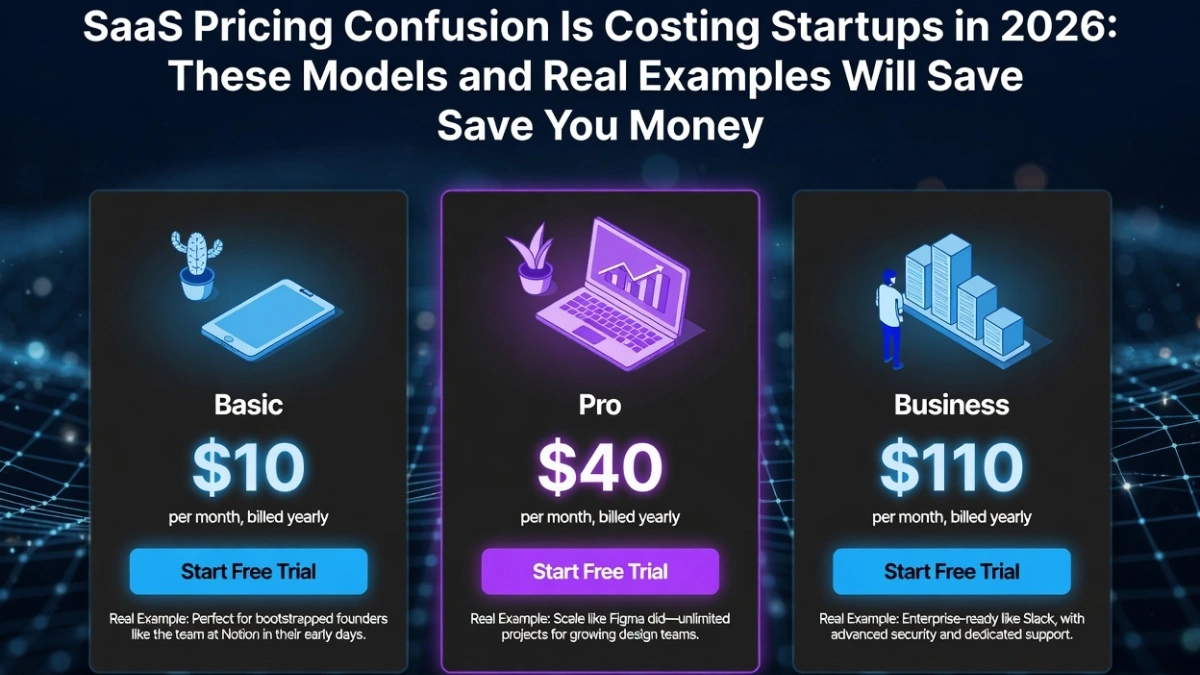
Tiered pricing offers multiple plans with different features and pricing levels. Businesses can choose a tier based on their needs. Shopify is a great example. It offers different plans with varying features for small, medium, and large businesses. This model provides flexibility and allows businesses to upgrade as they grow.
Freemium Model
The freemium model offers a basic version of the software for free, with paid upgrades for advanced features. Many SaaS tools use this model to attract users and convert them into paying customers. It is ideal for startups that want to test a product before committing financially.
Flat-Rate Pricing
Flat-rate pricing charges a fixed fee regardless of usage or number of users. This model is simple and predictable but may not be cost-effective for businesses that do not use all features.
SaaS Pricing Models Comparison Table
| Pricing Model | How It Works | Best For |
|---|---|---|
| Subscription | Fixed monthly/yearly fee | Predictable costs |
| Per-User | Charged per user | Growing teams |
| Usage-Based | Pay for usage | Variable needs |
| Tiered | Multiple plans | Flexible scaling |
| Freemium | Free + paid upgrades | Testing tools |
| Flat-Rate | Fixed cost | Simple pricing |
Real-Life Examples of SaaS Pricing
Understanding pricing becomes easier with real examples. Slack uses subscription and tiered pricing. Teams can choose plans based on features and size. HubSpot combines freemium and tiered pricing. Businesses can start for free and upgrade as they grow. Shopify uses tiered pricing, offering different plans for different business sizes. These examples show how SaaS companies combine multiple models to attract and retain customers.
Key Benefits of SaaS Pricing Models
SaaS pricing models offer several advantages for businesses. Here is what companies gain: Flexibility in choosing plans, scalability as business grows, lower upfront costs, predictable expenses, and the ability to switch or upgrade easily.
Challenges Businesses Should Consider
While SaaS pricing models are flexible, they can also be confusing. Multiple plans, add-ons, and hidden costs can make it difficult to choose the right option. Businesses may also face increasing costs as they scale, especially with per-user or usage-based pricing. Understanding the total cost of ownership is important before making a decision.
How to Choose the Right SaaS Pricing Model
Start by analyzing your business needs and usage patterns. If you want predictable costs, subscription or flat-rate pricing is ideal. If your usage varies, usage-based pricing may be more suitable. Growing teams should consider per-user pricing carefully to avoid high costs. Always review features included in each plan and test free trials before committing.
Why SaaS Pricing Is Evolving in 2026
SaaS companies are constantly innovating their pricing models to attract more users and stay competitive. In 2026, hybrid pricing models that combine subscription, usage-based, and tiered pricing are becoming more common. This gives businesses more flexibility but also requires better understanding.
Conclusion
SaaS pricing models in 2026 are more flexible and diverse than ever. Understanding how these models work can help businesses save money and choose the right tools.
From subscription and per-user pricing to freemium and usage-based models, each has its advantages and challenges. The key is to align the pricing model with your business needs and growth plans.
Disclaimer: This article is for informational purposes only. SaaS pricing may vary based on provider and features.